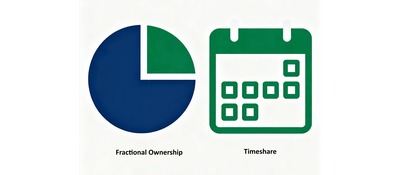


When planning luxury vacations or thinking about owning a piece of paradise, the options of fractional ownership and timeshare often come up. Understanding their nuances, benefits, and drawbacks can help you make an informed decision.
What is Fractional Ownership?
Fractional ownership allows several parties to collectively own an expensive asset, most commonly a vacation property. Each owner receives a deeded share and the right to use the property for a certain period annually. Unlike timeshare, fractional ownership is truly owning part of the property, thus sharing in its appreciation (or depreciation).
Example: A beachfront villa valued at ₹2 crores could be divided into 8 shares. Each owner would invest ₹25 lakhs and get 1/8th usage annually.
Pros:
- True ownership: You hold legal title and can sell or transfer your share.
- Asset appreciation: If property value rises, so does your investment.
- High-quality management: Properties are professionally maintained.
- Flexibility: Owners often can vote on or select usage weeks.
Cons:
- Higher upfront cost compared to timeshares.
- Ongoing expenses: Maintenance fees and taxes are shared.
- Limited liquidity: Selling your share could take time.
Investment Tip: Research the property’s management company and past resale values of shares. Assess local real estate trends to gauge appreciation potential.
What is a Timeshare?
A timeshare gives individuals the right to use a property for a designated period, usually one week per year. Owners don’t get a share of the property’s appreciation and can rarely transfer usage rights.
Example: You purchase the right to stay at a hill station resort for one specific week every year—often in the off-season—to save money on hotel costs.
Pros:
- Affordable entry price: Lower upfront cost than buying property.
- Predictability: Know exactly when and where you’ll vacation.
- No maintenance stress: The management company handles upkeep.
Cons:
- No real ownership: You don’t build equity or share in appreciation.
- Possible inflexibility: Changing weeks or locations can be challenging.
- Resale difficulties: Timeshares can be hard to sell and sometimes lose value.
Investment Tip: Timeshares should be seen as a prepay-and-use vacation model, not as property investment. Be cautious of maintenance fees and exchange program limitations.
Comparison Table
|
Feature |
Fractional Ownership |
Timeshare |
|
Ownership |
Deeded interest |
Right to use |
|
Asset Appreciation |
Possible |
Very rare |
|
Cost |
Higher upfront |
Lower upfront |
|
Fees |
Annual maintenance/share |
Annual maintenance |
|
Flexibility |
Higher (depends on share) |
Lower, often fixed |
|
Resale Value |
Potential equity |
Often depreciates |
|
Best For |
Investors, luxury seekers |
Budget vacationers |
Which Should You Choose?
- Choose fractional ownership if you:
- Want genuine property ownership and possible profit.
- Prefer luxury properties and professional management.
- Can afford higher upfront costs and are patient with selling your share.
- Choose timeshare if you:
- Want predictable, convenient vacations on a budget.
- Are not focused on investment returns.
- Desire minimal involvement in property management.
Final Thoughts
Both models unlock holidays in premium destinations. Fractional ownership is better if you want investment exposure, flexibility, and true ownership. Timeshare is right for those seeking low-stress, affordable vacations with limited commitment to property management.
Tip: Always read the agreements carefully. Visit the property beforehand and consider long-term plans—both financial and lifestyle—before making a commitment.