
Exploring Fractional Ownership and Timeshare: What You Need to Know
When it comes to making the most out of luxury properties, vacation homes, or high-value real estate, two concepts often come up: fractional ownership and timeshare. While they share similarities, they cater to different needs and investment outlooks.
What is Fractional Ownership?
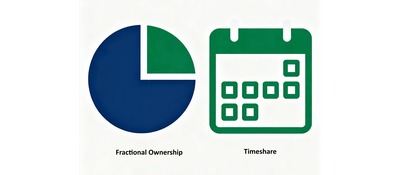
Fractional ownership allows multiple unrelated parties to share in, and mitigate the risk of, ownership of a high-value tangible asset—often real estate. Each owner holds a percentage share of the property, usually entitling them to use the property for a corresponding portion of the year. Unlike merely being a guest, fractional owners actually hold a deeded share, meaning they benefit from property appreciation and can sell or transfer their share.
- Owners have actual title or deed
- Shares are often transferable and can appreciate
- Typically used for luxury assets (e.g., vacation villas, yachts)
- Usage time is proportionate to ownership percentage
What is Timeshare?
A timeshare is a property with a divided form of ownership or use rights, typically in vacation resorts. Multiple parties hold rights to use the property, and each owner is allocated a period, often a week per year. However, unlike fractional ownership, timeshares usually do not come with a deeded asset or the opportunity for property appreciation.
- No actual ownership of the real estate, just “right to use”
- Limited flexibility in terms of time and property use options
- Usually cannot transfer or realize property appreciation
- Often used by vacationers who want cost-effective access to resorts
Fractional Ownership vs. Timeshare: Key Differences
|
Aspect |
Fractional Ownership |
Timeshare |
|
Legal Ownership |
Deeded share (real ownership) |
Right to use, rarely deeded |
|
Asset Appreciation |
Owners share appreciation |
No gain from appreciation |
|
Flexibility |
More, can sell/transfer shares |
Limited, often fixed schedule |
|
Cost |
Higher upfront, but equity |
Typically lower, but no equity |
|
Use Case |
Investment & luxury lifestyle |
Affordable, recurring vacations |
Which Is Right for You?
- If you want long-term investment potential and actual property ownership, fractional ownership is the smarter route.
- If regular, predictable vacations matter to you and you don’t want to deal with the hassles of property ownership, a timeshare may suffice.
Conclusion
Both fractional ownership and timeshare promise cost-effective and convenient access to premium real estate experiences. However, understanding the fundamental differences is crucial before taking the plunge. Evaluate your financial goals and usage preferences to choose the model that best fits your lifestyle!